
Used Car Financing: How Loans and Rates Work
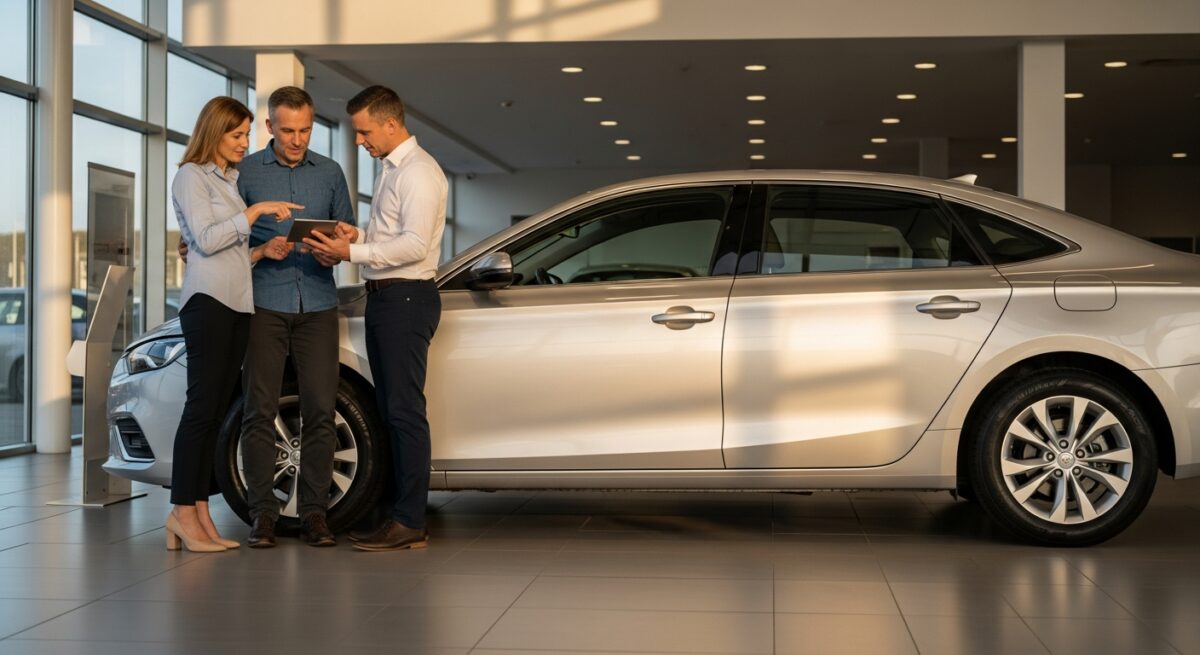
Buying a used vehicle can be a smart financial move, but the path to ownership often depends on one critical factor: securing the right loan. For many shoppers, especially those with less-than-perfect credit, the process of financing a pre-owned car feels overwhelming. Understanding used vehicle loans how financing works is the first step to driving away with confidence. This article breaks down each stage of the process, from credit checks to loan terms, so you can approach your next purchase with clarity and control.
Whether you are a first-time buyer or someone who has faced rejection from traditional lenders, knowing what lenders look for can save you time and money. A used vehicle loan works much like a new car loan, but there are important differences in interest rates, loan-to-value ratios, and vehicle age restrictions. By learning how these factors interact, you can position yourself for approval and negotiate from a stronger position.
How a Used Vehicle Loan Differs from a New Car Loan
The fundamental structure of a used car auto loan is similar to financing a new vehicle: you borrow a lump sum from a lender and repay it with interest over a set term. However, lenders view used cars as higher-risk collateral because they depreciate faster and may have hidden mechanical issues. As a result, interest rates on used vehicle loans are typically 1 to 3 percentage points higher than rates on new car loans.
Another key difference is the loan-to-value ratio. Most lenders will finance a maximum of 100 to 120 percent of the vehicle’s wholesale or retail value for a used car. If the asking price is above that threshold, you will need to make a larger down payment. Additionally, lenders often impose age and mileage limits. A car that is more than 10 years old or has over 120,000 miles may be difficult to finance through traditional channels.
The Step-by-Step Financing Process
Navigating a used vehicle loan requires a methodical approach. Here is a clear path to follow from start to finish.
1. Check Your Credit and Know Your Score
Your credit score is the single most important factor in determining your interest rate and approval odds. Before you shop for a car, obtain a free copy of your credit report from the three major bureaus. If your score is below 600, you may need to focus on lenders that specialize in bad credit auto loans. If you have no credit history, you are not alone. Many first-time buyers qualify with a co-signer or by providing proof of steady income.
2. Determine Your Budget
Lenders use a debt-to-income ratio to decide how much you can borrow. As a general rule, your total monthly auto payment should not exceed 10 to 15 percent of your gross monthly income. Use an online calculator to estimate your payment based on the loan amount, interest rate, and term. Remember to factor in insurance, taxes, and registration fees.
3. Get Pre-Approved
Pre-approval gives you a firm understanding of your borrowing power and interest rate before you visit a dealership. It also prevents dealers from marking up your rate. Compare auto loan refinancing options to see if you can secure better terms. Many online platforms, including StartAutoLoan.com, offer a streamlined application that connects you with a network of lenders who work with challenged credit.
4. Shop for the Right Vehicle
With a pre-approval letter in hand, you can shop within your price range. Focus on vehicles that are reliable and hold their value. A vehicle history report is essential to avoid buying a car with flood damage or a salvage title. Lenders may refuse to finance vehicles with branded titles.
5. Finalize the Loan and Sign the Paperwork
Once you select a vehicle, the lender will perform a final underwriting review. You will need to provide proof of income, insurance, and residency. Review the loan contract carefully before signing. Pay attention to the annual percentage rate, loan term, prepayment penalties, and any fees.
Factors That Affect Your Interest Rate
Several variables influence the interest rate on a used vehicle loan. Understanding them can help you secure a lower rate.
- Credit score: Borrowers with scores above 700 typically qualify for the best rates. Scores below 600 may result in rates above 15 percent.
- Loan term: Shorter terms (36 to 48 months) usually have lower rates than longer terms (60 to 72 months).
- Down payment: A larger down payment reduces the lender’s risk and can lower your rate by 1 to 2 percentage points.
- Vehicle age and mileage: Newer used cars with lower mileage attract better rates.
- Lender type: Credit unions and online lenders often offer more competitive rates than traditional banks for used car loans.
These factors combine to create a unique rate for each borrower. Even a small difference in rate can save you hundreds of dollars over the life of the loan. For example, on a $15,000 loan over 60 months, a 6 percent rate costs about $2,400 in total interest, while a 12 percent rate costs nearly $5,000.
Common Mistakes to Avoid
Many borrowers make errors that cost them money or lead to rejection. Here are the most frequent pitfalls and how to avoid them.
Skipping the pre-approval step. Walking into a dealership without pre-approval puts you at a disadvantage. Dealers may offer financing at inflated rates, especially if they know you have bad credit. Always get pre-approved first.
Focusing only on the monthly payment. A low monthly payment can hide a long loan term or a high interest rate. Always compare the total cost of the loan, not just the monthly amount.
Ignoring the total loan amount. Some buyers roll negative equity from a previous loan into their new purchase. This can leave you underwater on your used vehicle loan from day one.
Not reading the fine print. Prepayment penalties, late fees, and mandatory arbitration clauses can all affect your loan experience. Read every document before signing.
How to Improve Your Chances of Approval
If you have been turned down for a used car auto loan in the past, do not give up. There are concrete steps you can take to boost your approval odds.
First, consider a larger down payment. A down payment of 20 percent or more signals to lenders that you are committed to the purchase and reduces their risk. Second, bring a co-signer with good credit. A co-signer agrees to repay the loan if you default, which can make lenders more willing to approve you. Third, choose a less expensive vehicle. A lower loan amount reduces the lender’s exposure and makes approval easier.
Finally, work with a connection service like StartAutoLoan.com. These platforms specialize in matching borrowers with lenders who understand unique credit situations. Because they partner with a network of lenders, they can often find options that a single bank cannot offer.
Frequently Asked Questions
What credit score do I need for a used vehicle loan?
There is no universal minimum. Some lenders approve scores as low as 500, but you will pay a higher interest rate. A score of 660 or above will generally qualify you for competitive rates.
Can I get a used vehicle loan with no credit history?
Yes. Many lenders consider alternative data such as your employment history, rental payments, and bank account activity. A co-signer can also help you qualify.
How long does the financing process take?
Pre-approval can take as little as 24 hours. Final approval after you select a vehicle typically takes one to three business days.
Is it better to finance through a bank or the dealership?
It depends. Banks and credit unions often offer lower rates, but dealerships may have promotional financing for certain vehicles. Compare offers from both sources before deciding.
Can I refinance a used vehicle loan later?
Yes. If your credit improves or interest rates drop, refinancing can lower your payment and save you money. Many online tools let you compare refinance offers quickly.
Understanding used vehicle loans how financing works empowers you to make informed decisions and avoid costly surprises. Whether you are rebuilding credit after a bankruptcy or buying your first car, the right knowledge and preparation can turn a daunting process into a straightforward transaction. Start by checking your credit, setting a budget, and exploring your financing options today.