
First-Time Car Buyer Interest Rates Explained
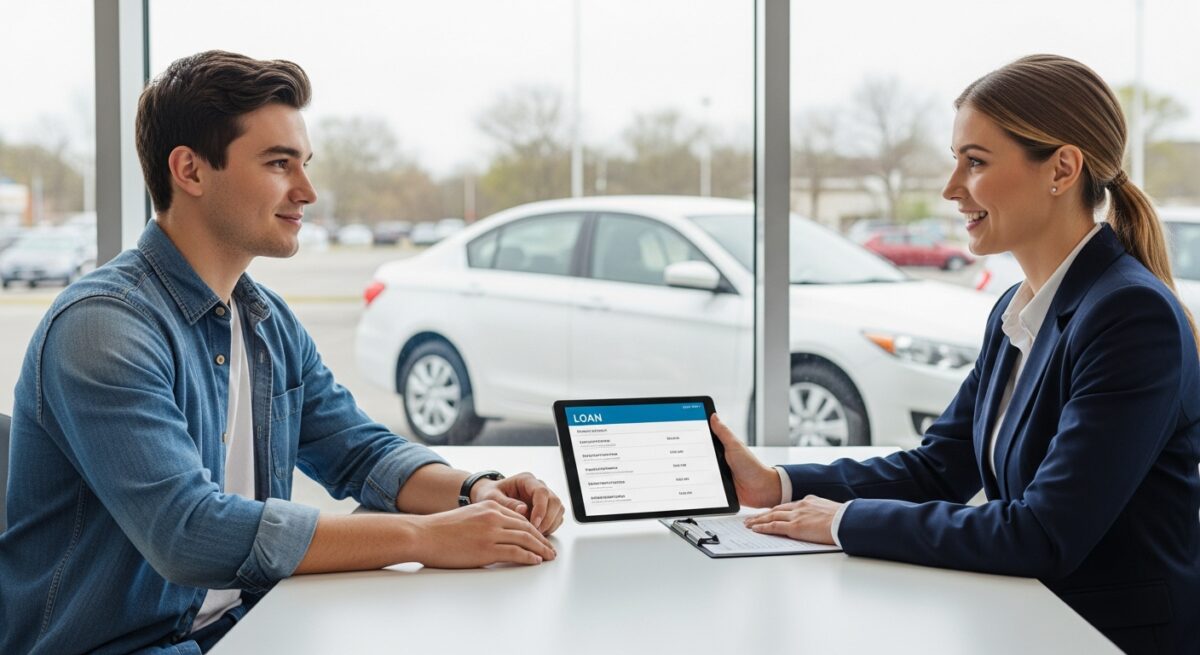
Buying your first car is a milestone that mixes excitement with a fair amount of financial uncertainty. You have probably spent weeks researching the perfect model, comparing safety ratings, and imagining the open road. Then you sit down to talk about financing and the dealer throws out a number for your interest rate that feels shockingly high. That moment can be deflating. But it does not have to be. Understanding how lenders set that number, what you can do to lower it, and where to look for fair terms is the single most important step you can take before signing a contract. Let us walk through exactly what first-time car buyer interest rates look like, why they vary so much, and how you can secure a deal that fits your budget.
Why First-Time Car Buyer Interest Rates Are Higher
Lenders use your credit history to predict how likely you are to repay a loan on time. As a first-time car buyer, you have little to no credit history. That makes you an unknown quantity. Without a proven track record of paying back borrowed money, a lender sees higher risk. To offset that risk, they charge a higher interest rate for a first time car buyer. This is not a punishment. It is a standard business practice. The lender is essentially saying, “We do not know if you will pay us back, so we need a higher return to make the loan worthwhile.”
The average first-time auto loan rates for borrowers with no credit history can range from 5% to 15% or more, depending on the lender, the vehicle, and the loan term. Compare that to someone with a well-established credit score above 750, who might qualify for a rate under 4% on a new car. That difference matters. On a $25,000 loan over 60 months, a 5% rate costs about $3,300 in total interest. At 15%, that same loan costs over $10,000 in interest. That is real money that could go toward insurance, maintenance, or savings.
The Key Factors That Determine Your Rate
Your credit score is the biggest factor, but it is not the only one. Lenders look at several data points when calculating the interest rate for a first time car buyer. Knowing what they consider can help you prepare and improve your chances of getting a lower rate.
Credit Score and Credit History
Even if you have no credit history, you may have a credit score. If you have never taken out a loan or used a credit card, you might have a “thin file” or a score in the 500s or 600s. Some lenders specialize in working with first-time buyers with no credit. They may use alternative data like your rent payment history, utility bills, or even your bank account transaction history to assess your reliability. A few simple steps can help: make sure you are registered for credit monitoring, check your score for errors, and consider becoming an authorized user on a family member’s credit card to build a small history.
Loan Term Length
Shorter loan terms generally come with lower interest rates. A 36-month loan will almost always have a lower APR than a 72-month or 84-month loan. Why? Because the lender’s money is at risk for less time. However, shorter terms also mean higher monthly payments. As a first-time buyer, you may be tempted to stretch the loan out to reduce your payment. That trade-off can cost you thousands more in interest over the life of the loan. If you can afford a shorter term, it is almost always the better financial move.
New versus Used Vehicle
New cars typically have lower interest rates than used cars because they are less risky for lenders. A new car has a higher resale value and is less likely to need major repairs during the loan period. Used cars, especially older models with high mileage, carry more risk. If you are a first-time buyer, you might find better rates on a certified pre-owned vehicle that is only a few years old, rather than a brand new model or a very old one.
Down Payment Size
A larger down payment reduces the amount you need to borrow and signals to the lender that you are financially committed. Putting down at least 20% of the purchase price can help you qualify for a lower interest rate. For a $20,000 car, that means a $4,000 down payment. If you cannot manage that much, even 10% can make a difference. It also reduces the risk of being “upside down” on the loan, meaning you owe more than the car is worth.
How to Get a Better Rate as a First-Time Buyer
You do not have to accept the first rate you are offered. There are concrete steps you can take to improve your chances of getting a competitive first-time auto loan rate.
- Get pre-approved before you visit a dealership. Pre-approval from a bank, credit union, or online connection service gives you a firm rate and shows dealers you are a serious buyer. It also lets you compare the dealer’s offer against your pre-approved rate.
- Bring a co-signer with good credit. A co-signer with a strong credit history can dramatically lower your rate. The lender bases the rate on the co-signer’s credit, not yours. Just remember that your co-signer is equally responsible for the loan. Missing a payment hurts both of your credit scores.
- Shop around with multiple lenders. Rates can vary by several percentage points between lenders. Apply to three to five different lenders within a short window (usually 14 to 30 days) so that multiple credit inquiries count as a single inquiry on your credit report.
- Consider a credit-builder loan or secured card first. If you have a few months before you need a car, you can build a small credit history with a secured credit card or a credit-builder loan. Even six months of on-time payments can improve your score enough to qualify for a better rate.
Each of these steps addresses a specific weakness in your application. Pre-approval gives you leverage. A co-signer reduces risk. Shopping around ensures you are not overpaying. And building credit beforehand turns you from a high-risk borrower into a more reliable one. For more detailed information on current market conditions, check out our Current New Car Loan Interest Rates Guide 2025.
Understanding APR Versus Interest Rate
Many first-time buyers confuse the interest rate with the APR (Annual Percentage Rate). The interest rate is the cost of borrowing the principal. The APR includes the interest rate plus any fees the lender charges, such as origination fees or processing costs. When comparing loan offers, always compare the APR, not just the interest rate. A loan with a lower interest rate but high fees could end up costing you more than a loan with a slightly higher rate and no fees. Lenders are required by law to disclose the APR prominently, so it is easy to find.
What to Watch Out For
First-time buyers are often targeted by predatory lenders or dealers who take advantage of inexperience. Be wary of offers that seem too good to be true, such as “0% financing for everyone” or “no credit check required.” These offers usually hide high fees, balloon payments, or extremely short repayment periods that make the loan unaffordable. Always read the fine print. If a dealer pressures you to focus only on the monthly payment instead of the total cost of the loan, that is a red flag. Ask for the total amount you will pay over the life of the loan, including all fees and interest.
Using StartAutoLoan.com to Find a Lender
StartAutoLoan.com is an independent online platform that connects consumers with a network of participating third-party lenders and dealers. It is not a direct lender, but it can help you find lenders who specialize in working with first-time buyers, people with no credit history, or those who have been turned down elsewhere. The application process is straightforward and can lead to approval in as little as 24 hours. If you have struggled to find a lender willing to work with you, this kind of connection service can be a valuable starting point. You can start your application here and compare offers from multiple lenders without visiting multiple dealerships.
Frequently Asked Questions
What is a good interest rate for a first-time car buyer?
A good rate depends on current market conditions and your credit profile. For a first-time buyer with no credit, a rate between 5% and 9% is generally considered reasonable. Rates above 15% may indicate a high-risk loan that could be difficult to manage. Always compare offers from multiple lenders to see what is available.
Can I get a car loan with no credit at all?
Yes. Many lenders and credit unions offer programs specifically for first-time buyers with no credit history. You may need a co-signer, a larger down payment, or proof of steady income, but it is possible. Online connection services like StartAutoLoan.com can help match you with lenders who accept no-credit applicants.
Does applying for multiple loans hurt my credit score?
Each application triggers a hard inquiry, which can temporarily lower your score by a few points. However, if you submit all your applications within a 14- to 30-day window, credit scoring models typically count them as a single inquiry. This allows you to shop around without significant damage to your credit.
Should I finance through the dealership or a bank?
It depends. Dealerships often have relationships with multiple lenders and can offer competitive rates, especially on new cars. However, they may also mark up the rate for profit. Getting pre-approved by a bank or credit union first gives you a baseline to compare. If the dealer beats that rate, great. If not, you have a fallback option.
How long does it take to build credit with a car loan?
Making on-time payments for six to twelve months will typically improve your credit score significantly. After a year of consistent payments, you may be able to refinance the loan at a lower interest rate, saving you money for the remainder of the term.
Securing a fair interest rate as a first-time car buyer is not about luck. It is about preparation. Check your credit, save for a down payment, bring a co-signer if possible, and shop around. Each of those actions puts you in a stronger position. The goal is not just to get approved. It is to get approved at a rate that keeps your monthly payment manageable and your total cost low. With the right approach, you can drive off the lot feeling confident about both your car and your financial decision.