
Zero Percent Car Loans: How 0 APR Financing Works
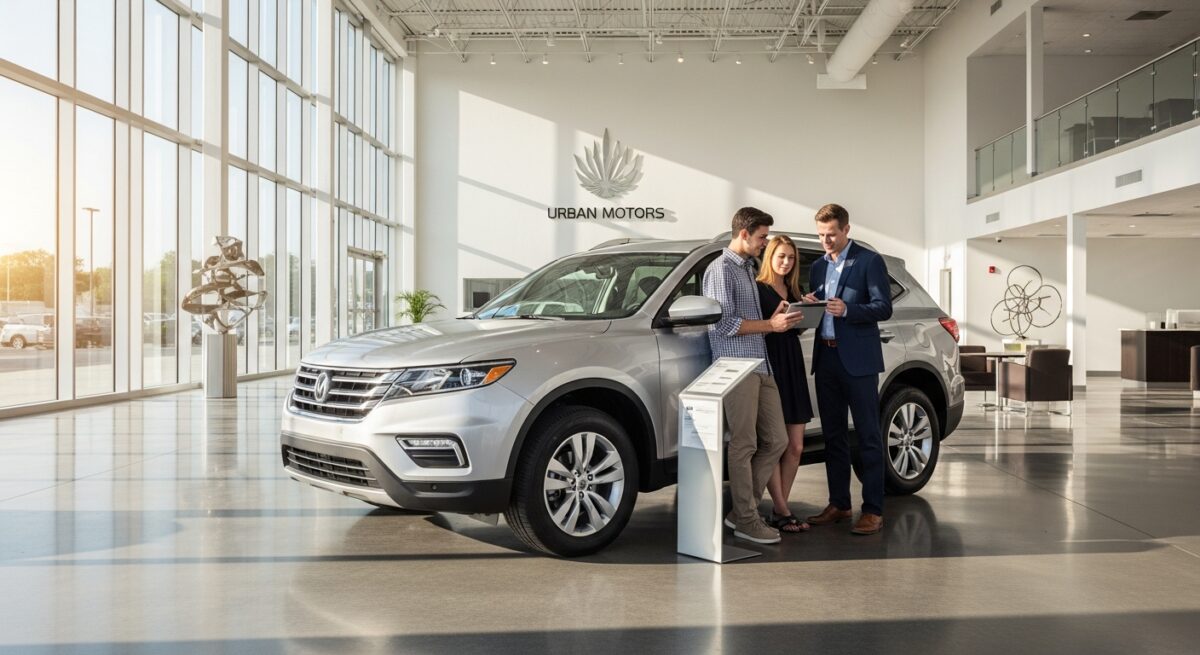
Walking onto a car lot and seeing a sign that promises 0 percent financing can feel like striking gold. The idea of borrowing tens of thousands of dollars without paying a single cent in interest is undeniably appealing. But as with many things in the auto world, the reality is more nuanced than the headline. Interest free car loans and 0 APR financing explained properly reveal a strategy that can save you thousands, but only if you qualify and understand the trade-offs. This guide breaks down exactly how zero-percent financing works, who qualifies, and when it makes sense to take the deal.
What Is 0 APR Financing on a Car?
A 0 APR auto loan means the lender charges no interest on the borrowed amount for a specific period, typically 36 to 72 months. Instead of paying interest on top of the principal, your monthly payment goes entirely toward paying down the vehicle’s price. This is different from a standard car loan where the lender adds an interest rate based on your credit score and market conditions.
Manufacturers and their captive finance arms (like Toyota Financial Services or Ford Credit) offer these deals to move inventory. They use zero interest car financing as a sales incentive, similar to cash rebates or bonus offers. The catch is that eligibility is strict. Only buyers with excellent credit scores, usually 720 or higher, qualify. Lenders also limit these offers to specific models and trim levels, often the current year’s inventory that needs to be cleared.
For context, consider a $35,000 car financed over 60 months. With a standard 6 percent APR loan, you would pay about $5,600 in interest over the life of the loan. With a 0 percent loan, you pay zero interest. That is a direct savings of thousands of dollars. However, the dealer may require you to forgo other incentives, such as a cash rebate, to get the 0 percent rate.
How Interest Free Car Loans Actually Work
Interest free car loans are not free money from the dealer. They are subsidized by the manufacturer. The automaker pays the finance company a fee to buy down the interest rate to zero for qualified buyers. This cost is built into the vehicle’s pricing and marketing budget. The dealer still makes a profit on the sale, and the finance company earns fees for processing the loan.
One key detail is that the loan term matters. A 0 percent offer for 36 months is more valuable than one for 60 months, because the manufacturer’s subsidy cost is lower. Longer terms require a larger subsidy, so fewer models offer zero percent for five or six years. When you see a 0 percent offer, always check the term length and whether the same rate applies to longer terms.
Another important factor is the loan-to-value ratio. Even with a 0 percent rate, the lender will not lend more than the car is worth. If you have negative equity on a trade-in or want to roll taxes and fees into the loan, the total amount might exceed the vehicle’s value. In that case, you may not qualify for the promotional rate, or you might need to make a larger down payment.
Qualifying for 0 APR: The Credit Score Reality
Lenders reserve zero percent financing for the lowest-risk borrowers. A credit score of 720 or above is typically the minimum, and many programs require 740 or higher. Your credit history must show no recent late payments, bankruptcies, or charge-offs. Lenders also look at your debt-to-income ratio, employment stability, and the amount of your down payment.
If your credit is not pristine, you likely will not qualify for the advertised 0 percent rate. Instead, the dealer may offer you a higher rate and steer you toward a rebate or other incentive. This is why checking your credit score before visiting a dealership is essential. You can get a free credit report from AnnualCreditReport.com or use a service like Credit Karma for a general idea.
For those with strong credit but limited history (such as first-time buyers), some lenders offer near-zero rates like 0.9 or 1.9 percent. These are still excellent deals but require the same careful qualification process.
When 0 APR Financing Is a Smart Choice
Zero percent financing works best when you have excellent credit and plan to keep the car for the full loan term. Because there is no interest, your entire payment builds equity in the vehicle faster than with a standard loan. This is especially beneficial if you tend to trade in cars every few years, as you will owe less than the car’s value sooner.
Another scenario where 0 APR shines is when you have cash to pay for the car but prefer to keep your money invested. If your savings account earns 4 percent interest and the loan costs 0 percent, you come out ahead by financing and keeping your cash in the bank. This is a classic arbitrage opportunity.
However, you must compare the 0 percent offer against a cash rebate. Sometimes the rebate is worth more than the interest savings. For example, a $3,000 rebate on a $30,000 loan at 5 percent interest over 60 months saves you about $3,967 in total interest. The rebate is larger than the interest savings, so taking the rebate and a standard loan is better. Always do the math or ask the dealer to show you the total cost under both options.
For a deeper look at how dealership financing compares to other options, read our guide on Car Dealer Financing Explained. Understanding these dynamics helps you negotiate from a position of strength.
Hidden Costs and Fine Print in 0 Percent Offers
Zero percent financing is not always the cheapest path. Dealers often structure these promotions to protect their profit margins. Here are common pitfalls to watch for:
- Reduced rebates or incentives: You usually cannot combine a 0 percent APR with a cash rebate, low lease payment, or special trade-in bonus. Choose the better option based on total cost.
- Shorter loan terms: Many 0 percent offers are limited to 36 or 48 months. The monthly payment is higher, which may strain your budget even though there is no interest.
- Strict eligibility requirements: Even with excellent credit, the dealer may require a larger down payment (often 10 to 20 percent) or a co-signer if your credit file is thin.
- Limited inventory: The best 0 percent deals apply to specific models, colors, or trim levels that the dealer wants to move. You may have to compromise on options.
- Credit score impact: Applying for a 0 percent loan triggers a hard inquiry on your credit report. Multiple inquiries within a short window (14 to 45 days) are treated as one for scoring purposes, but spreading them out can hurt your score.
Before signing, ask the dealer for the total cost of the vehicle with the 0 percent rate and compare it to the total cost with the rebate and a standard loan. Use an online auto loan calculator to verify the numbers. If the dealer is vague or refuses to provide both figures, consider that a red flag.
Alternatives to 0 APR Financing
If you do not qualify for zero percent financing, or if the deal does not make financial sense, several alternatives can still save you money. Low-rate financing from a credit union often offers rates between 2 and 4 percent for well-qualified buyers. Credit unions are member-owned and typically have lower overhead, which translates to better rates.
Another option is to use a cash rebate to reduce the loan amount. Even with a 5 or 6 percent interest rate, a large rebate can lower your total cost more than a 0 percent loan with no rebate. For example, a $4,000 rebate on a $35,000 car reduces your loan to $31,000. At 5 percent interest over 60 months, you pay about $4,100 in interest. The total cost is $35,100, versus $35,000 with 0 percent and no rebate. The difference is negligible, but the rebate gives you lower monthly payments.
For buyers with less-than-perfect credit, online lenders and specialty finance companies offer competitive rates. You can apply for an auto loan online to see prequalified offers without a hard pull. This allows you to compare rates and terms before going to the dealership, giving you negotiating power.
Frequently Asked Questions
Does 0 APR mean I pay no interest at all?
Yes, with a true 0 percent APR loan, you pay no interest over the loan term. Your monthly payment consists entirely of principal. However, you must meet strict credit and down payment requirements to qualify.
Can I get 0 percent financing on a used car?
Rarely. Most 0 percent offers apply only to new cars. Some certified pre-owned programs offer low rates like 0.9 or 1.9 percent, but true zero percent on used cars is almost unheard of. Used car loans typically have higher rates because the collateral depreciates faster.
Is it better to take a rebate or 0 percent financing?
It depends on the rebate amount, loan amount, interest rate, and loan term. Calculate the total cost of both options. If the rebate saves more money than the interest you would pay on a standard loan, take the rebate. Otherwise, choose 0 percent.
Do I need a down payment for a 0 APR car loan?
Many lenders require at least 10 percent down for 0 percent financing, especially if you have limited credit history or a high loan-to-value ratio. Some promotions do not require a down payment, but they are less common. A down payment reduces the lender’s risk and can help you qualify.
What credit score do I need for 0 percent car financing?
Generally, you need a credit score of 720 or higher. Many programs require 740 or above. Lenders also look at your income, debt-to-income ratio, and credit history. A high score does not guarantee approval if other factors are weak.
Will a 0 percent loan show on my credit report?
Yes. The loan will appear on your credit report as an installment loan with a $0 monthly interest component. Your payment history will be reported, and on-time payments will help build your credit. Late payments will damage your score.
Making the Final Decision on Zero Percent Financing
Interest free car loans and 0 APR financing explained in this article show that they are powerful tools for the right buyer. If you have excellent credit, a stable income, and the discipline to compare offers, zero percent financing can save you thousands of dollars. But it is not a one-size-fits-all solution. Always run the numbers, read the fine print, and consider the total cost of the vehicle, not just the monthly payment.
The best approach is to come prepared. Check your credit score, research current manufacturer incentives, and get prequalified from multiple lenders. When you walk into the dealership, you will know exactly what deal works for your budget. And if the numbers do not add up, you can walk away and find a better option elsewhere.