
Wisconsin Car Loan Application Procedure Made Simple
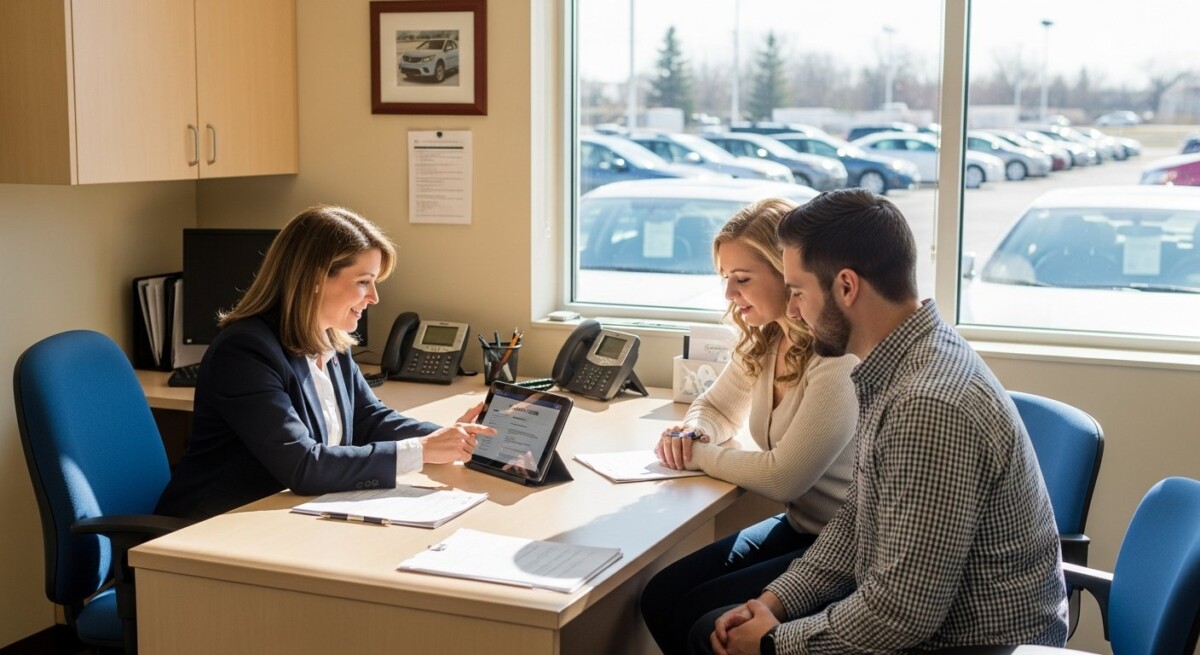
Buying a car in Wisconsin is an exciting milestone, but the loan application process can feel overwhelming if you do not know what to expect. Whether you are a first-time buyer in Milwaukee or a seasoned owner in Green Bay, understanding the Wisconsin car loan application procedure helps you secure favorable terms and avoid costly mistakes. This guide walks you through each step, from checking your credit to signing the final paperwork, with state-specific insights that give you an edge.
Understanding Your Credit Profile Before You Apply
Your credit score is the single most important factor lenders consider during the Wisconsin car loan application procedure. Wisconsin lenders typically use FICO scores ranging from 300 to 850, with prime rates reserved for scores above 700. Before you visit any dealership or credit union, request a free credit report from AnnualCreditReport.com. Wisconsin law allows you one free report from each bureau every 12 months, so stagger your requests to monitor changes throughout the year.
If your score falls below 620, do not panic. Many Wisconsin credit unions and community banks offer specialized programs for borrowers with less-than-perfect credit. These lenders often consider alternative data such as steady employment history, rent payments, or utility bills. Taking 30 to 60 days to improve your score by paying down credit card balances or disputing errors can save you hundreds of dollars in interest over the life of the loan.
How Wisconsin Lenders View Debt-to-Income Ratio
Beyond your credit score, lenders evaluate your debt-to-income ratio (DTI). This compares your monthly debt payments to your gross monthly income. Most Wisconsin lenders prefer a DTI below 43%, though some credit unions accept up to 50% if you have strong compensating factors like a large down payment. To calculate your DTI, add up all recurring debts (credit cards, student loans, rent) and divide by your monthly income. If your DTI is high, consider consolidating smaller debts before applying.
Gathering Required Documents for a Smoother Process
Completing the Wisconsin car loan application procedure efficiently requires proper documentation. Lenders request these items to verify your identity, income, and residency. Having them ready before you apply speeds up approval and reduces stress.
- Proof of identity: A valid Wisconsin driver’s license or state ID card.
- Proof of income: Recent pay stubs (last 30 days), W-2 forms from the past two years, or tax returns if self-employed.
- Proof of residency: A utility bill, lease agreement, or bank statement showing your current Wisconsin address.
- Proof of insurance: A copy of your current auto insurance policy or a binder from a new insurer.
- Vehicle information: The VIN, purchase price, and mileage if you are financing a specific used car.
Gathering these documents in advance also helps you spot potential issues. For example, if your pay stubs show inconsistent hours, you may want to include a letter from your employer confirming your average weekly schedule. Wisconsin lenders appreciate transparency, and providing extra context can turn a borderline application into an approval.
Choosing Between Dealership Financing and Direct Lenders
One of the most important decisions in the Wisconsin car loan application procedure is where to apply. Dealership financing is convenient because you can shop for the car and loan in one place. However, dealerships often mark up interest rates by 1% to 3% as a profit center. Direct lenders such as banks, credit unions, and online lenders typically offer lower rates because they compete for your business directly.
Wisconsin credit unions are particularly strong options. Many offer pre-approval certificates that give you negotiating power at the dealership. For example, Landmark Credit Union and Educators Credit Union frequently run promotional rates for members. If you prefer the convenience of an online application, apply for an auto loan online to compare multiple offers without visiting a branch. Online lenders often provide same-day decisions and fund loans within 24 hours.
The Pre-Approval Advantage in Wisconsin
Getting pre-approved before you shop transforms the experience. A pre-approval letter tells sellers exactly how much you can borrow and at what interest rate. This lets you focus on negotiating the car price rather than worrying about financing. In our guide on essential car loan application advice for better approval odds, we explain how pre-approval can improve your leverage and reduce stress.
Completing the Application Form Accurately
Whether you apply online or in person, the application form asks for standard personal and financial information. Accuracy matters because even minor errors can delay the process or trigger a manual review. Common mistakes include transposing numbers on your Social Security number, listing the wrong employer address, or underestimating your monthly housing payment.
Wisconsin lenders also ask about your intended use of the vehicle. If you plan to use the car primarily for commuting or personal errands, select “personal use.” Selecting “business use” may trigger different underwriting criteria and higher rates. If you are financing a vehicle for a side business like food delivery, be honest about the expected annual mileage, as excessive mileage can affect the loan terms.
Understanding Wisconsin-Specific Laws and Fees
The Wisconsin car loan application procedure includes several state-specific requirements that affect your total cost. Wisconsin imposes a 5% sales tax on vehicle purchases, though trade-in values reduce the taxable amount. You will also pay title and registration fees. The standard title fee is $69.50, and registration fees vary by vehicle weight but typically range from $75 to $150 annually.
Wisconsin law prohibits lenders from charging prepayment penalties on auto loans. This means you can pay off your loan early without incurring extra fees. Take advantage of this by making extra payments when possible, as it reduces the total interest paid. Additionally, Wisconsin requires lenders to disclose the annual percentage rate (APR) clearly in the loan contract. Compare APRs rather than monthly payments, as a lower APR always saves you money over time.
Reviewing the Loan Estimate and Terms
Once you receive a loan offer, review the Loan Estimate document carefully. This standardized form shows the APR, monthly payment, total finance charge, and amount financed. Pay special attention to the “Total of Payments” figure, which tells you the full cost of the loan including interest and fees. If the estimate includes add-on products like gap insurance or extended warranties, ask whether they are optional. Wisconsin law does not require these products, and you can often purchase them separately at lower cost.
Compare at least two or three offers before signing. Even a 0.5% difference in APR can save you $500 or more on a $25,000 loan over five years. Use online calculators to compare total costs side by side. If one lender offers a lower APR but charges higher origination fees, calculate the break-even point to see which deal is better for your situation.
Finalizing the Purchase and Registration
After you accept a loan offer, the lender sends the funds to the dealership or seller. If you are buying from a private party in Wisconsin, the process is slightly different. You will need to complete a bill of sale, have the title notarized, and submit the paperwork to the Wisconsin Department of Transportation (WisDOT) within 30 days. The lender typically handles the title lien filing, but you are responsible for registering the vehicle.
Wisconsin requires all vehicles to have a valid registration and license plate before driving. Temporary plates are valid for 60 days, giving you time to complete the permanent registration. Keep a copy of the loan agreement and title in your vehicle’s glove compartment in case you are pulled over before the permanent plates arrive.
Frequently Asked Questions
Can I get a car loan in Wisconsin with no credit history?
Yes. Many Wisconsin credit unions offer first-time buyer programs that require no credit history. You may need a co-signer or a larger down payment (20% or more). Some lenders also consider your education level and employment stability as positive factors.
How long does the Wisconsin car loan application procedure take?
A standard application takes 15 to 30 minutes to complete. Pre-approval decisions often come within one business day, while final approval after you choose a vehicle can be completed in a few hours. Online lenders may offer instant decisions.
What is the minimum down payment required in Wisconsin?
There is no legal minimum, but most lenders expect at least 10% down for used cars and 5% for new cars. A 20% down payment helps you avoid negative equity and may qualify you for lower rates.
Do Wisconsin lenders require proof of Wisconsin residency?
Yes. You must provide a valid Wisconsin driver’s license or state ID along with a utility bill or lease agreement showing your current address. Out-of-state borrowers may still qualify but face additional documentation requirements.
Can I refinance my Wisconsin car loan later?
Absolutely. Refinancing is common in Wisconsin, especially if your credit score improves or interest rates drop. There are no prepayment penalties, so you can refinance with a new lender at any time without fees.
Understanding the Wisconsin car loan application procedure empowers you to make confident decisions and secure financing that fits your budget. By preparing your documents, comparing multiple lenders, and knowing your rights under Wisconsin law, you can drive away in a vehicle you love without financial regret. Start your journey today by checking your credit and exploring pre-approval options from trusted Wisconsin lenders.