
Used Car Loan Rates: What Borrowers Should Expect
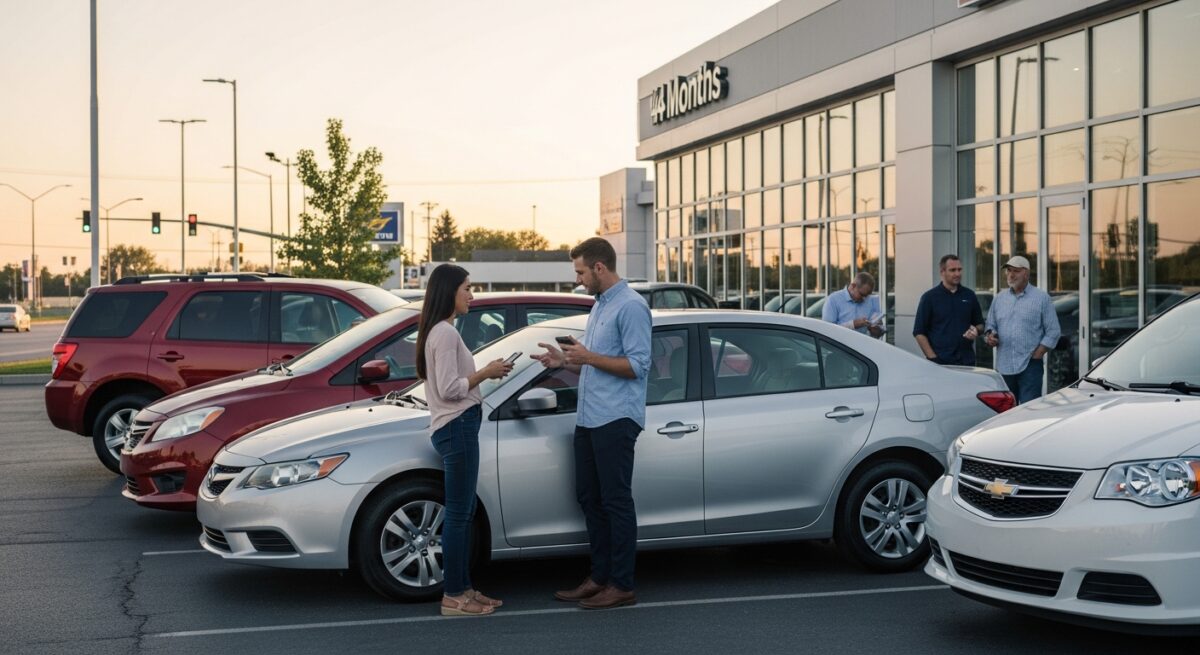
When you start shopping for a pre-owned vehicle, the excitement of finding the right make and model can quickly give way to confusion about financing. One of the most critical factors in your car-buying journey is the interest rate you will pay on your loan. For many borrowers, especially those with less-than-perfect credit, understanding used car loan rates is the key to getting a fair deal. This article breaks down what you should expect when you begin exploring auto loan rates for used cars, what borrowers should expect from the application process, and how you can position yourself for the best possible terms.
The used car market has experienced significant shifts in recent years. Prices have risen, inventory has fluctuated, and lending standards have tightened in some areas while remaining accessible in others. For the borrower, this means that knowing the landscape before you step into a dealership or apply online is more important than ever. Whether you are a first-time buyer, someone rebuilding credit after a bankruptcy, or a seasoned car owner looking for a reliable second vehicle, the rate you secure will determine your monthly payment and the total cost of your loan.
How Used Car Loan Rates Differ From New Car Rates
Lenders view used cars as higher-risk collateral compared to new vehicles. A new car depreciates the moment you drive it off the lot, but a used car has already taken that initial depreciation hit. However, lenders also consider that a used car may have more mechanical issues or a shorter remaining lifespan. Because of this, pre owned car loan rates are typically one to three percentage points higher than rates for new cars. The exact spread depends on the age of the vehicle, its mileage, and its overall condition.
For example, a borrower with a good credit score might qualify for a 6% APR on a new car but see an 8% APR on a three-year-old used car. For a borrower with a credit score in the mid-600s, the difference could be even more pronounced. Lenders also apply tiered pricing based on the vehicle’s age. A car that is five years old will generally carry a higher rate than a car that is two years old. Some lenders have cutoffs at eight or ten years, after which they may not offer financing at all.
Understanding this dynamic helps you set realistic expectations. If you are shopping for a used vehicle, you should budget for a slightly higher rate than what you see advertised for new cars. The good news is that used vehicle financing is widely available, even for borrowers with credit challenges, as long as you know where to look.
Key Factors That Influence Your Used Car Loan Rate
Several variables come into play when a lender calculates the interest rate on a used car loan. Knowing these factors can help you take steps to improve your chances of getting a lower rate.
Credit Score and Credit History
Your credit score remains the single most important factor. Lenders use it to gauge the likelihood that you will repay the loan on time. A score above 720 typically qualifies for the best rates, while scores below 620 may result in higher rates or require a larger down payment. If you have a thin credit file or a history of late payments, you will likely see higher used car loan rates. However, many lenders specialize in working with borrowers who have imperfect credit. They may offer rates in the double digits, but they also provide a path to vehicle ownership that traditional banks might deny.
Before you apply, check your credit report for errors. A mistake on your report could lower your score and increase your rate. You can obtain a free copy of your report from each of the three major bureaus once per year. Dispute any inaccuracies you find, as correcting them can sometimes boost your score by several points.
Loan Term Length
The length of your loan term directly affects your interest rate. Shorter terms, such as 36 or 48 months, typically come with lower rates because the lender faces less risk over a shorter period. Longer terms, such as 72 or 84 months, often carry higher rates. While a longer term reduces your monthly payment, it also means you will pay more in total interest over the life of the loan. For a used car, lenders may be hesitant to offer very long terms because the vehicle’s value will depreciate faster than the loan balance declines. A 72-month term on a five-year-old car could leave you owing more than the car is worth for a significant portion of the loan.
Stick with the shortest term you can comfortably afford. This strategy not only lowers your rate but also builds equity in the vehicle more quickly.
Vehicle Age, Mileage, and Condition
Lenders evaluate the collateral just as carefully as they evaluate the borrower. A newer used car with low mileage and a clean history report will qualify for better rates than an older model with high miles or accident damage. Most lenders have guidelines on maximum age and mileage. For instance, a lender may finance a car up to seven years old with no more than 100,000 miles. Vehicles that fall outside these parameters may be considered high-risk, and some lenders will not finance them at all.
If you are looking at older cars, you may need to seek out specialty lenders or credit unions that offer classic car or high-mileage loans. Be prepared for a higher rate and a larger down payment requirement.
Down Payment Amount
A substantial down payment reduces the lender’s risk. When you put 20% or more down, the lender knows you have equity in the vehicle from day one. This can lead to a lower interest rate. For borrowers with lower credit scores, a larger down payment can sometimes offset the perceived risk and result in a better rate than you might otherwise qualify for. Conversely, a zero-down loan often comes with the highest rates available.
If you can save up a down payment before you shop, you will have more negotiating power and access to better loan terms. Even 10% down can make a noticeable difference in your rate and monthly payment.
Current Market Trends for Used Car Financing
As of 2026, the auto lending market has stabilized after several years of volatility. Interest rates, which rose sharply in 2023 and 2024, have leveled off. For used car loans, average rates for borrowers with good credit hover around 7% to 9%, while borrowers with fair or poor credit may see rates from 12% to 18% or higher. These figures are based on national averages and can vary by lender, location, and vehicle type.
One trend that continues is the growth of online lending platforms. Borrowers can now compare offers from multiple lenders without visiting a bank. This competition can work in your favor. When you receive several rate quotes, you can choose the most favorable terms. Additionally, many online services specialize in connecting borrowers with lenders who are willing to work with less-than-perfect credit. This has opened the door for many people who previously struggled to secure used vehicle financing.
Another trend is the increasing availability of rate-lock options. Some lenders allow you to lock in a rate for a set period, typically 30 to 60 days. This protects you if rates rise while you are still shopping for a car. It also gives you time to find the right vehicle without the pressure of a ticking clock.
How to Get the Best Used Car Loan Rate
Securing a competitive rate requires preparation and strategy. Follow these steps to improve your chances of getting a favorable offer.
- Check your credit score and report. Know where you stand before you apply. If your score is lower than you would like, consider taking a few months to improve it by paying down debt and making all payments on time.
- Save for a down payment. A down payment of at least 10% to 20% signals to lenders that you are serious and reduces their risk. This can translate directly into a lower rate.
- Shop around for rates. Do not accept the first offer you receive. Apply with multiple lenders, including banks, credit unions, and online platforms. Each lender uses its own criteria, and rates can vary significantly.
- Consider a co-signer. If your credit is weak, a co-signer with good credit can help you qualify for a lower rate. Keep in mind that the co-signer is equally responsible for the loan.
- Choose the right vehicle. A reliable, moderately priced used car that is less than five years old will attract better rates than an older luxury model with high mileage.
Once you have gathered offers, compare the APR, not just the monthly payment. A lower monthly payment on a longer term may cost you thousands more in interest. Use an online loan calculator to see the total cost of each offer before you decide.
What to Do If You Have Bad Credit or No Credit
If you have been turned down by traditional lenders, you are not alone. Many people face this challenge, especially after a bankruptcy or during the early stages of building credit. The key is to work with lenders who specialize in this area. StartAutoLoan.com connects consumers with a network of participating lenders who consider factors beyond just a credit score. These lenders may look at your income, employment stability, and your ability to make a down payment.
In our guide on Auto Loan Rates: What Borrowers Should Expect Today, we explain how rates are structured for different credit profiles. That resource can help you understand what terms are realistic for your situation. For borrowers with challenged credit, used car loan rates may be higher, but the goal is to secure a loan that you can manage and that allows you to rebuild your credit over time.
One strategy is to look for lenders that offer rate reductions for enrolling in automatic payments. Some lenders will lower your APR by 0.25% to 0.50% if you set up auto-pay from a checking account. This small reduction can add up over the life of the loan. Additionally, making on-time payments every month will improve your credit score, making it easier to refinance at a lower rate in the future.
Frequently Asked Questions
What is the average interest rate for a used car loan in 2026?
The average rate for a used car loan varies by credit score. Borrowers with excellent credit (720+) can expect rates around 7% to 9%. Borrowers with fair credit (620-719) may see rates from 10% to 15%. Those with poor credit (below 620) might encounter rates of 16% to 20% or higher. These averages are national and can change based on lender policies and economic conditions.
Can I negotiate the interest rate on a used car loan?
Yes, you can negotiate. If you have a pre-approved offer from another lender, you can use it as leverage to ask the dealer or a competing lender to match or beat the rate. Always come prepared with documentation and a clear understanding of the terms you are willing to accept.
How long does it take to get approved for a used car loan?
Approval times vary. Online lenders often provide a decision within minutes or hours. Traditional banks may take a few days. StartAutoLoan.com offers a streamlined application process and can connect you with lenders who provide decisions quickly, sometimes within 24 hours.
Will applying for multiple loans hurt my credit score?
When you apply for auto loans within a short period (typically 14 to 45 days), credit scoring models treat them as a single inquiry for rate-shopping purposes. This means you can apply with several lenders without significantly damaging your score. Just be sure to complete all applications within the same window.
What documents do I need to apply for a used car loan?
Most lenders require proof of identity (driver’s license), proof of income (pay stubs or tax returns), proof of residence (utility bill or lease agreement), and details about the vehicle you intend to purchase (VIN, mileage, and purchase price). Having these documents ready will speed up the process.
For those looking to refinance an existing auto loan, another resource to explore is car loan refinancing options. Refinancing can lower your rate if your credit has improved or if market rates have dropped since you took out your original loan.
Understanding auto loan rates for used cars and what borrowers should expect is the first step toward a successful car purchase. The market offers opportunities for nearly every credit profile, but the best outcomes come to those who prepare, compare offers, and choose terms that align with their budget and long-term financial health.