Private Party Auto Loans: Your Complete Guide
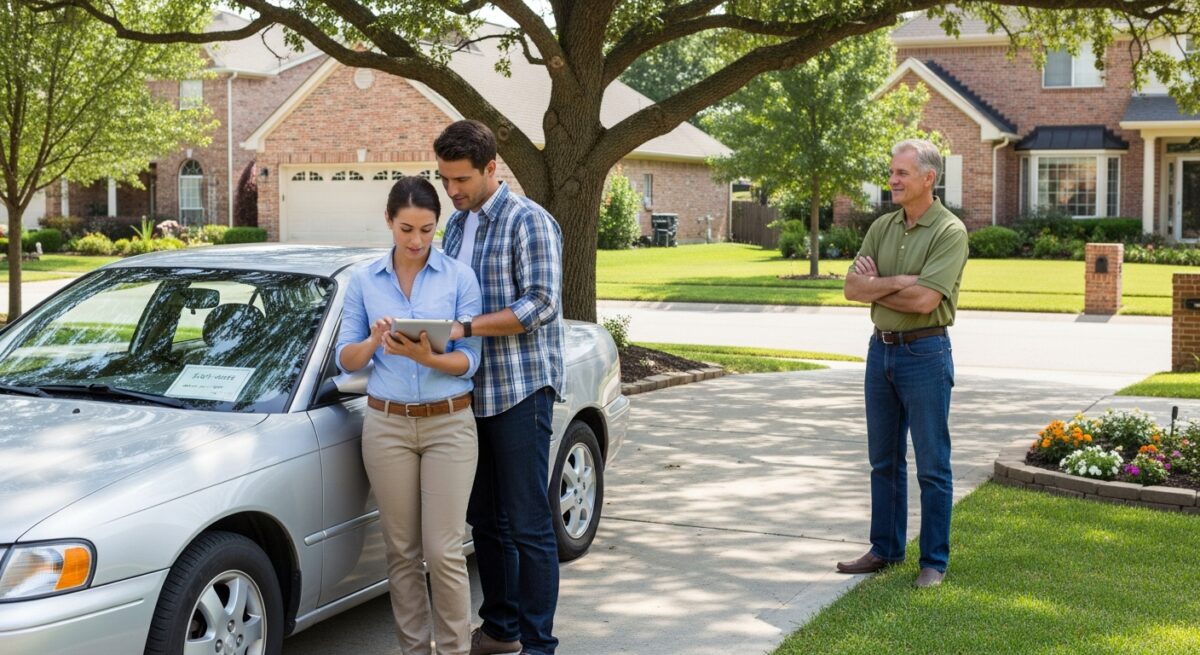
Buying a car from a private seller can save you thousands of dollars compared to dealership prices. However, securing a car loan for private sale purchases presents unique challenges that many buyers do not anticipate. Unlike dealerships that have direct relationships with lenders and can arrange financing on the spot, private party transactions require you to arrange your own funding before handing over the cash to the seller. This comprehensive guide explains exactly how car loans for private party vehicle purchases work, what lenders look for, and how you can navigate this process successfully even if your credit history is less than perfect.
How Private Party Auto Loans Differ from Dealer Financing
When you buy from a dealership, the dealer acts as an intermediary between you and multiple lenders. They submit your application, negotiate rates, and often offer promotional financing. With a private seller, there is no middleman. You must secure financing independently and bring the funds to the transaction. This fundamental difference creates several important distinctions in how car loans for private party vehicle purchases are structured.
First, most traditional banks and credit unions offer private party auto loans, but their requirements are often stricter. They typically require a higher down payment, a lower loan-to-value ratio, and a more stringent vehicle inspection. Second, the loan disbursement process is different. Instead of sending funds directly to a dealership, the lender may issue a check made jointly payable to you and the seller, or they may deposit the funds into your account after verifying the vehicle’s title and bill of sale.
Third, interest rates for private party auto loans can be slightly higher than dealer-arranged financing because the transaction carries more perceived risk for the lender. Without a dealer’s reputation and inventory as collateral, lenders scrutinize the vehicle’s condition, mileage, and market value more carefully. Understanding these differences helps you prepare properly and avoid surprises during the buying process.
Qualifying for a Private Party Auto Loan
Qualifying for a private party auto loan follows many of the same principles as any other car loan, but there are additional requirements specific to this type of transaction. Lenders want to ensure that the vehicle is worth the amount you are borrowing and that the title is clear of any liens or legal issues.
Credit Score and Income Requirements
Your credit score remains a primary factor in loan approval and interest rate determination. For conventional private party auto loans, lenders typically look for a credit score of 660 or higher to qualify for competitive rates. However, if your credit score is lower, you still have options. Many lenders specialize in bad credit auto loans, and platforms like StartAutoLoan.com connect borrowers with a network of participating lenders who consider factors beyond just credit scores. Your income stability, employment history, and debt-to-income ratio also play significant roles in the approval decision.
Lenders generally require proof of income such as recent pay stubs, tax returns, or bank statements. They want to see that you have sufficient disposable income to cover the monthly payment after your other obligations. A general guideline is that your total monthly car payment should not exceed 10 to 15 percent of your gross monthly income. If you have a history of bankruptcy or repossession, be prepared to provide additional documentation and potentially make a larger down payment.
Vehicle Age and Mileage Restrictions
Private party auto loans often come with restrictions on the age and mileage of the vehicle you intend to purchase. Many lenders will not finance vehicles older than 10 years or those with more than 100,000 to 120,000 miles. This policy reduces the lender’s risk because older, high-mileage vehicles are more likely to experience mechanical problems that could affect your ability to repay the loan.
If you are looking at an older or high-mileage vehicle, you may need to seek financing from a lender that specializes in classic car loans or high-risk auto financing. Alternatively, you could consider a personal loan instead of a secured auto loan, though the interest rate will likely be higher. Before you start shopping for a private party vehicle, check with your lender about their specific age and mileage limits so you do not waste time on a car that cannot be financed.
Steps to Secure a Car Loan for Private Sale
Navigating the process of obtaining a car loan for private sale requires careful planning and execution. Follow these steps to increase your chances of approval and ensure a smooth transaction.
First, get preapproved for a loan before you start shopping. Preapproval gives you a clear budget and shows sellers that you are a serious, qualified buyer. It also protects you from impulse purchases that exceed your financial capacity. When you apply for preapproval, the lender will ask for basic information about your income, employment, and the type of vehicle you want to purchase. They will perform a soft credit inquiry that does not affect your credit score.
Second, find the right vehicle and negotiate the price. Once you have your preapproval letter with a maximum loan amount, you can confidently negotiate with private sellers. Remember that the lender will only finance up to the vehicle’s book value (usually based on Kelley Blue Book or NADA Guides), so you cannot borrow more than the car is worth. Negotiate a fair price that leaves room for taxes, registration, and any necessary repairs.
Third, complete the loan application with the specific vehicle details. After you and the seller agree on a price, provide the lender with the vehicle identification number (VIN), mileage, and the seller’s information. The lender will order an appraisal and a title check to verify that the vehicle is not stolen and has no outstanding liens. This process can take one to three business days, so plan accordingly.
Fourth, arrange the funding and complete the transaction. Once the loan is approved, the lender will provide the funds either by direct deposit or a cashier’s check. You and the seller will sign a bill of sale, and the seller will transfer the title to you. Make sure the title is properly signed and notarized if required by your state. Then, register the vehicle in your name and obtain insurance before driving it home.
What Lenders Look for in Private Party Transactions
Lenders evaluate private party auto loans differently than dealer purchases because the risk profile is distinct. Understanding what they look for can help you prepare a stronger application.
- Clear vehicle title: The lender will run a title search to confirm the seller owns the vehicle free and clear. Any existing liens must be paid off before the sale can proceed.
- Accurate vehicle valuation: Lenders use independent sources like Kelley Blue Book to determine the fair market value. They will not lend more than a certain percentage of this value, typically 80 to 100 percent depending on your credit.
- Valid bill of sale: A properly executed bill of sale protects both parties and provides the lender with documentation of the transaction. It should include the purchase price, date, VIN, and signatures.
- Proof of insurance: Most lenders require you to have comprehensive and collision insurance on the vehicle before they disburse funds. This protects their collateral in case of an accident.
Meeting these requirements upfront reduces the chance of delays or loan denial. If any red flags appear during the lender’s review, such as a salvage title or odometer discrepancy, the loan may be declined. Always ask the seller for the vehicle’s maintenance records and consider having a trusted mechanic inspect the car before you commit to the purchase.
Overcoming Bad Credit for Private Party Loans
If you have bad credit or no credit history, securing a car loan for private party vehicle purchases can feel daunting. However, many lenders specialize in helping borrowers with challenged credit profiles. In our guide on Bad Credit Car Loans: Your Path to Vehicle Financing, we explain how to improve your chances of approval even when traditional lenders have turned you down.
One effective strategy is to make a larger down payment. A down payment of 20 to 30 percent of the purchase price reduces the lender’s risk and can make the difference between approval and denial. It also lowers your monthly payment and may qualify you for a better interest rate. Another approach is to bring a cosigner with good credit. A cosigner essentially guarantees the loan, giving the lender additional security. Just be sure that both you and your cosigner understand the responsibilities involved.
You can also consider working with an auto loan connection service like StartAutoLoan.com, which matches borrowers with lenders who consider alternative credit data. These lenders may look at your payment history for rent, utilities, and insurance rather than focusing solely on your credit score. This approach can open doors for first-time buyers and those rebuilding their credit after bankruptcy.
Comparing Loan Options for Private Purchases
Not all private party auto loans are created equal. It pays to compare offers from multiple lenders to find the best terms for your situation. Here are the main types of financing available for private party vehicle purchases.
Credit unions often offer the most favorable rates for private party auto loans, especially if you are a member. They tend to have lower interest rates and more flexible underwriting standards than big banks. Many credit unions also offer rate discounts for automatic payment setup. Banks are another option, but their requirements may be stricter. Online lenders and auto loan marketplaces provide convenience and the ability to compare multiple offers quickly.
For borrowers with poor credit, specialized auto finance companies may be the best choice. These lenders focus on subprime lending and understand the challenges of buying from a private seller. However, their interest rates are typically higher, so it is important to read the terms carefully and avoid loans with excessive fees or prepayment penalties. Always calculate the total cost of the loan, including interest and fees, before signing.
Frequently Asked Questions
Can I get a car loan for a private party purchase with bad credit? Yes, many lenders offer private party auto loans for borrowers with bad credit. You may need a larger down payment, a cosigner, or proof of stable income. Using an auto loan connection service can help you find lenders who specialize in subprime financing.
How does the lender verify the vehicle’s value? Lenders use independent appraisal guides such as Kelley Blue Book, NADA Guides, or Black Book to determine the vehicle’s fair market value. They may also request photographs or an in-person inspection for older or unique vehicles.
What documents do I need for a private party auto loan? You typically need a valid driver’s license, proof of income (pay stubs, tax returns), proof of residence, the vehicle’s VIN, a bill of sale, and the seller’s contact information. The lender may also require a copy of the vehicle’s title.
Can I use a personal loan instead of an auto loan? Yes, personal loans can be used for any purpose including buying a car from a private seller. However, personal loans generally have higher interest rates than secured auto loans because they are unsecured. If you have good credit, a personal loan might be a viable alternative for older vehicles that do not qualify for traditional auto financing.
How long does it take to get approved for a private party auto loan? Preapproval can happen within minutes to a few hours. The full approval process after you provide the vehicle details typically takes one to three business days, depending on the lender’s verification process.
If you need additional guidance, consider visiting CarLoanRefinancing.com for resources on managing your auto loan after purchase.
Securing a car loan for private party vehicle purchases is entirely achievable with the right preparation and knowledge. By understanding the unique requirements, comparing lenders, and addressing any credit challenges head-on, you can drive away in the car you want at a price that fits your budget. Start by getting preapproved, then shop with confidence knowing your financing is already in place.