
Private Party Auto Loan Pre Approval Guide: Step by Step
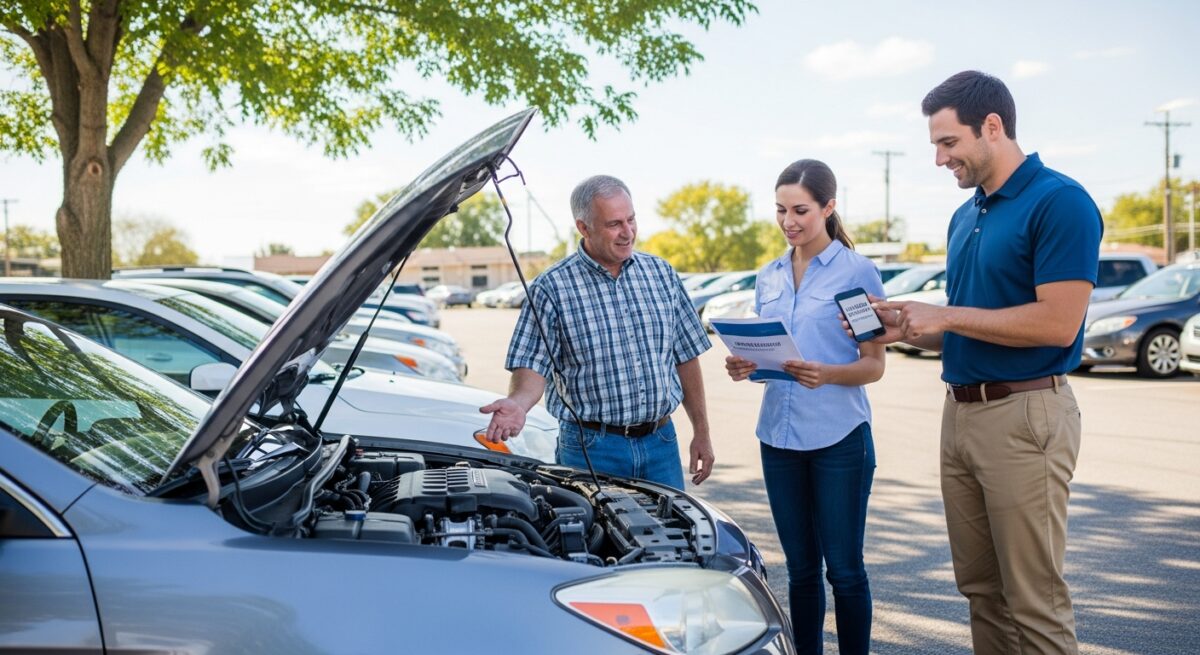
Buying a car from a private seller can save you thousands of dollars. You avoid dealer markups, negotiate directly with the owner, and often find a better price. But there is one big catch: private sellers typically want cash or a guaranteed check, not a promise to pay later. This is exactly why a private party auto loan pre approval guide matters. Without pre approval, you risk losing the car to another buyer, paying too much for financing, or getting stuck with a loan that does not cover the vehicle’s condition. This guide walks you through each step of the process so you can buy with confidence.
Private party sales are different from dealer purchases. A dealer has relationships with lenders and can arrange financing on the spot. A private seller has none of that. They want their money and the title transferred quickly. If you show up with a pre approved loan, you become a serious buyer. The seller knows the funds are ready, and you can close the deal in hours instead of days. This private party auto loan pre approval guide covers everything from checking your credit to signing the final paperwork.
What Is Private Party Auto Loan Pre Approval?
Private party auto loan pre approval is a conditional commitment from a lender to finance a car you buy from a private seller. The lender reviews your credit, income, and debt before you find the car. They tell you the maximum amount they will lend, the interest rate, and the loan term. This is not a final approval because the lender still needs to inspect the vehicle and verify the title. But it gives you a solid starting point.
Think of pre approval as a financial prequalification with extra verification. The lender pulls your credit report, asks for pay stubs or tax returns, and checks your debt-to-income ratio. Once approved, you receive a letter or digital certificate that shows sellers you are a qualified buyer. This is different from prequalification, which is a rough estimate based on self-reported information. In our guide on Pre Approval vs Pre Qualification for Auto Loans Explained, we explain how these two terms differ and why pre approval carries more weight with private sellers.
Why Pre Approval Matters for Private Party Purchases
Private sellers are often skeptical of buyers who need financing. They have heard stories about deals falling through because the bank said no at the last minute. A pre approval letter removes that doubt. It shows the seller that a lender has already vetted you and committed funds. This gives you negotiating power and speed.
Here are the key benefits of getting pre approved before you shop:
- You know your exact budget before you start looking at cars.
- Sellers take you seriously because you have proof of funds.
- You can close the deal faster, often within 24 hours.
- You avoid high dealer interest rates and unnecessary add-ons.
- You can compare lender offers to find the best rate.
These advantages make a huge difference in a competitive private party market. When a good deal appears, you need to act fast. Pre approval lets you write a check or arrange a direct transfer without waiting for a bank to process an application. The seller knows the money is real, and you drive away with the car you want.
How to Get Pre Approved for a Private Party Auto Loan
The process is straightforward, but it requires preparation. Start by checking your credit score and credit report. Lenders use these to determine your interest rate and loan amount. If your score is below 660, you might still qualify, but the rate will be higher. Take a few weeks to pay down credit card balances and correct any errors on your report before applying.
Next, gather your financial documents. Lenders typically ask for:
- Proof of income (pay stubs, tax returns, or bank statements).
- Proof of residence (utility bill or lease agreement).
- Valid driver’s license or state ID.
- Social Security number for the credit pull.
Once your documents are ready, shop for lenders that specialize in private party auto loans. Not all lenders offer this type of financing. Credit unions, online lenders, and some banks are your best options. You can apply online or over the phone. Most lenders give you a decision within one business day. After approval, the lender sends you a pre approval letter with the loan amount, interest rate, and any conditions. Keep this letter handy when you go to see cars.
One important note: pre approval is not a blank check. The lender will eventually require a vehicle inspection and a clean title before funding the loan. But the pre approval gives you the green light to shop with confidence. For more information about this topic, check your auto loan approval options to see which lenders match your profile.
Finding the Right Lender for Private Party Financing
Not every lender understands private party sales. Some only work with dealerships. Others require the seller to be a licensed dealer. You need a lender that explicitly offers private party auto loans. Here is how to find one.
Credit Unions
Credit unions are often the best choice for private party loans. They offer lower rates and more flexible terms than banks. Many credit unions have a long history of helping members buy cars from private sellers. If you are not already a member, you can usually join by opening a savings account with a small deposit. Check with local credit unions in your area or online credit unions that accept nationwide membership.
Online Lenders
Several online lenders specialize in private party auto financing. They process applications entirely online and fund loans quickly. Some popular options include LightStream, PenFed, and Local Government Federal Credit Union. These lenders often have competitive rates and no prepayment penalties. The application process takes about 10 minutes, and you can receive funds in your account within 24 hours.
Banks
Traditional banks also offer private party auto loans, but their rates may be higher than credit unions. If you have an existing relationship with a bank, start there. They may offer a loyalty discount or faster approval. Be sure to ask whether the loan covers the full purchase price or only a percentage of the vehicle’s value.
When comparing lenders, focus on the annual percentage rate (APR), loan term, and any fees. A lower APR saves you money over the life of the loan. But also consider the loan term. A longer term means lower monthly payments but more interest paid overall. Aim for a term of 36 to 60 months to balance affordability with cost.
What Lenders Look For in Your Application
Lenders evaluate your creditworthiness using several factors. Understanding these can help you improve your chances of approval and a better rate.
Credit Score: This is the most important factor. A score above 740 qualifies you for the best rates. Scores between 660 and 739 are good but may have slightly higher rates. Below 660, you might still get approved, but expect a higher APR or a requirement for a co-signer.
Debt-to-Income Ratio (DTI): Lenders want to see that your monthly debts, including the new car payment, do not exceed 40 to 50 percent of your gross monthly income. A lower DTI shows you can afford the loan.
Employment History: Stable employment for at least two years is preferred. Lenders like to see consistent income from a reliable source. If you are self-employed, you may need to provide two years of tax returns.
Down Payment: Private party loans often require a down payment of 10 to 20 percent. A larger down payment reduces the lender’s risk and may lower your interest rate. Some lenders offer zero down payment options for borrowers with excellent credit.
Vehicle Age and Mileage: Lenders have limits on the age and mileage of the car they will finance. Most will not lend on a car older than 10 to 15 years or with more than 120,000 to 150,000 miles. Check the lender’s guidelines before you fall in love with a classic car or a high-mileage bargain.
Steps to Complete the Purchase After Pre Approval
Once you have pre approval and find the right car, the purchase process is simple. Follow these steps to finalize the deal.
- Inspect the vehicle: Take the car to a trusted mechanic for a pre-purchase inspection. This protects you from buying a car with hidden problems. The lender may also require an inspection if the car is older or has high mileage.
- Negotiate the price: Use the inspection results and market data to negotiate a fair price. Your pre approval amount gives you a ceiling, so you know how much you can spend.
- Complete the paperwork: The seller must provide a signed title, a bill of sale, and a release of any liens. Make sure the title is clean and the seller’s name matches the title exactly.
- Notify the lender: Send the lender the purchase agreement, the vehicle’s VIN, and photos of the car. They will finalize the loan and send the funds directly to the seller or to you, depending on the lender’s policy.
- Transfer the title and register the car: Once the seller receives payment, sign the title over to you. Take the signed title and bill of sale to your local DMV to register the car in your name.
This process usually takes two to five business days from the time you agree on a price. If you have your pre approval ready, the lender can move quickly.
Common Pitfalls and How to Avoid Them
Private party auto loans come with unique challenges. Being aware of them can save you time and money.
Lien on the Seller’s Title: The seller may still owe money on the car. In that case, you must ensure the seller pays off the loan before you buy. The safest way is to use an escrow service or meet the seller at their bank to complete the transaction.
Overpaying for the Car: Just because you are pre approved for a certain amount does not mean you should spend it all. Stick to your budget and negotiate hard. The pre approval is a tool, not a mandate.
Ignoring the Vehicle’s History: Always run a vehicle history report from Carfax or AutoCheck. This reveals accidents, odometer rollbacks, and salvage titles. A clean history is essential for lender approval.
Waiting Too Long to Close: Pre approval letters expire after 30 to 60 days. If you take too long to find a car, you may need to reapply. Keep the search focused and act quickly when you find the right vehicle.
Frequently Asked Questions
Can I use a private party auto loan pre approval to buy from a dealer?
Yes, you can. Many dealers accept pre approval from outside lenders. However, they may try to beat the rate with their own financing. You are not obligated to use the pre approval if the dealer offers a better deal.
Do I need a down payment for a private party auto loan?
Most lenders require a down payment of 10 to 20 percent. Some credit unions offer zero down payment options for borrowers with excellent credit. Check with your lender before shopping.
How long does pre approval last?
Typically 30 to 60 days. If you do not find a car within that window, you can reapply. Your credit score may change during that time, so rechecking can also help you get a better rate.
Can I get pre approved with bad credit?
Yes, but your options are limited. Lenders that specialize in bad credit auto loans exist, but they charge higher rates. A larger down payment and a co-signer can improve your chances.
Does pre approval affect my credit score?
Yes, the lender will perform a hard credit pull, which may lower your score by a few points. However, if you apply for multiple loans within a short period (14 to 45 days), credit scoring models treat them as a single inquiry.
Final Thoughts
Getting pre approved for a private party auto loan is the smartest move you can make when buying from an individual seller. It gives you negotiating power, speeds up the transaction, and protects you from overpaying for financing. Start by checking your credit, gathering documents, and shopping for lenders that specialize in private party loans. Once you have your pre approval in hand, you can shop with confidence and close the deal on your terms. A little preparation now saves you money and stress later.