
How to Get Approved for a Private Party Car Loan
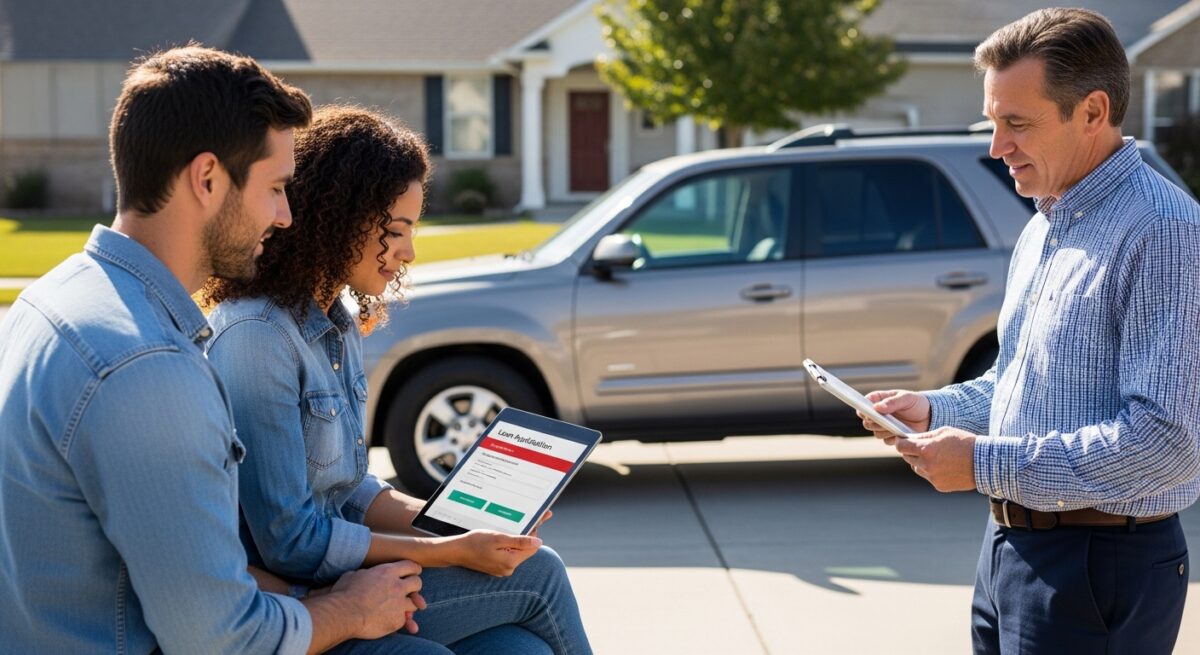
Buying a car directly from its owner can be a smart financial move, often leading to better prices and more transparent negotiations than you might find on a dealership lot. However, securing the financing for this type of purchase, known as a private party car loan, involves a different process than dealer-arranged financing. Many buyers are unsure how to navigate getting a loan for a car from a private seller, which can feel like a daunting hurdle. The good news is that with the right preparation and understanding of what lenders require, you can successfully get approved for a private seller auto loan and drive away in your new vehicle with confidence.
Understanding Private Party Auto Loans
A private party car loan is a specific type of financing used to purchase a vehicle from an individual seller, not a licensed dealership. The loan is secured by the vehicle itself, meaning the car serves as collateral for the lender. This is a crucial distinction from dealer financing, where the dealership acts as an intermediary between you and a bank or captive lender. With a private party loan, you are responsible for finding your own financing, typically through a bank, credit union, or online lending platform. Once approved, the lender will provide the funds, often directly to the seller or into an escrow account, and you will make monthly payments to the lender just like a traditional auto loan. The process requires more legwork from the buyer, but it opens up a much wider market of potential vehicles and can result in significant savings.
Key Steps to Secure Private Party Financing
Successfully obtaining a private party auto loan requires a methodical approach. You cannot simply show up with a seller and expect instant financing. The process begins long before you find the perfect car. Your first and most critical step is to get pre-approved. A pre-approval gives you a clear picture of your budget, strengthens your negotiating position with the seller, and significantly speeds up the final purchase process. It involves a lender reviewing your credit and finances to determine the loan amount, interest rate, and terms you qualify for. With a pre-approval letter in hand, you shop as a cash-ready buyer. The next phase involves the vehicle itself. Once you’ve identified a car, you must ensure it meets the lender’s requirements for age, mileage, and condition, as they will be using it as security for the loan. This leads to the final, formal application where the lender verifies all details before disbursing funds.
Step 1: Check and Strengthen Your Credit Profile
Your credit score is the single most important factor in determining your loan approval and interest rate for a private seller auto loan. Lenders use it to assess your risk as a borrower. Before you apply, obtain copies of your credit reports from the three major bureaus (Equifax, Experian, and TransUnion) to check for errors. Dispute any inaccuracies immediately. If your score is lower than ideal, take steps to improve it. Pay down credit card balances to keep your credit utilization below 30%, ensure all bills are paid on time, and avoid applying for new credit in the months leading up to your car loan application. Even a modest improvement in your score can translate to a lower interest rate, saving you hundreds or thousands over the life of the loan. For those actively working to rebuild their credit, exploring specialized bad credit auto loan options through a connection service can be a practical pathway to approval.
Step 2: Get Pre-Approved for Your Loan
Pre-approval is your financial blueprint. Start by researching lenders who offer private party loans. This includes national banks, local credit unions (which often have competitive rates), and online lenders. Submit applications to a few within a short period (typically 14-45 days) to minimize the impact on your credit score, as these are usually treated as a single inquiry for rate-shopping purposes. You will need to provide personal information, employment and income verification, and consent for a credit check. The lender will then issue a pre-approval letter stating the maximum loan amount, estimated interest rate, and loan term. This letter is not a guarantee of final approval, but it is a powerful tool that shows sellers you are a serious buyer. For a deeper dive into what happens after you apply, our guide on the car loan approval process breaks down the lender’s evaluation criteria.
Step 3: Find the Right Car and Seller
With your budget defined, you can now shop confidently. Use your pre-approval amount as your maximum, but remember to factor in taxes, registration, and potential repair costs. When you find a promising vehicle, conduct thorough due diligence. A clean title is non-negotiable; the car must be free of liens (existing loans) and not have a salvage or rebuilt brand. Obtain the vehicle identification number (VIN) and run a history report using a service like Carfax or AutoCheck. This report will reveal past accidents, title issues, and service records. Communicate openly with the seller. A reputable private seller should be willing to provide maintenance records and allow for an independent inspection.
Step 4: The Vehicle Inspection and Appraisal
Never skip the professional inspection. Hire a trusted mechanic to perform a comprehensive pre-purchase inspection. This cost, usually between $100 and $200, can uncover hidden mechanical problems that could cost you far more later. The inspection report is for your protection. Simultaneously, the lender will require their own appraisal to confirm the car’s value aligns with the loan amount. They need to ensure the collateral is worth the money they are lending. The lender may use an online valuation tool (like Kelley Blue Book or NADA Guides) or require a physical appraisal at a designated shop. The purchase price should be reasonable compared to the appraised value; if you are overpaying, the lender may refuse to finance the full amount.
Step 5: Finalize the Loan and Complete the Sale
Once the car passes inspection and appraisal, you move to final loan approval. You will provide the lender with the final purchase agreement, the VIN, and proof of insurance. The lender will prepare the final loan documents for you to sign. It is vital to understand all the terms, including the annual percentage rate (APR), total loan cost, and any fees. Funding can happen in a few ways: the lender may issue a check payable to you and the seller, send funds directly to the seller, or use an electronic transfer service. Upon receiving payment, the seller must sign the title over to you. You are responsible for promptly submitting the title, a bill of sale, and the loan paperwork to your local Department of Motor Vehicles (DMV) to register the vehicle in your name and list the lender as the lienholder.
What Lenders Look For in Your Application
Lenders assess private party car loan applications through a framework often called the “Five C’s of Credit.” Your credit history and score (Character) demonstrate your past reliability in repaying debts. Your debt-to-income ratio (Capacity) shows if you can afford the new monthly payment alongside your existing obligations. Lenders will ask for recent pay stubs, tax returns, or bank statements to verify your income. The down payment (Capital) you provide reduces the lender’s risk and shows your financial commitment. Conditions refer to the loan’s purpose (a private party purchase) and the broader economic environment. Finally, the Collateral is the car itself. Its age, mileage, condition, and market value must support the loan amount. A strong application positively addresses each of these areas.
Common Challenges and How to Overcome Them
Several obstacles can arise during the private party loan process. Older vehicles or those with very high mileage may not qualify for financing from traditional banks, as they are considered higher risk. In such cases, exploring financing through a credit union or a specialized online lender may yield better results. Another challenge is the down payment. While some lenders may offer loans with little or no money down, a larger down payment (typically 10-20%) will improve your chances of approval, secure a better interest rate, and result in lower monthly payments. The most significant hurdle for many is credit history. If you have poor or limited credit, you may need a co-signer with strong credit to vouch for the loan. Alternatively, be prepared to accept a higher interest rate or seek out lenders who specialize in non-prime financing.
Frequently Asked Questions
Can I get a private party car loan with bad credit?
Yes, it is possible, but more challenging. You will likely face higher interest rates and may need a larger down payment. Specialized lenders and some credit unions work with borrowers with lower credit scores. Having a co-signer can dramatically improve your chances of approval.
What is the difference between a private party loan and a personal loan?
A private party auto loan is a secured loan, specifically for a vehicle, which typically offers lower interest rates. A personal loan is usually unsecured, not tied to the car, and often comes with a higher interest rate because the lender takes on more risk.
How long does the private party loan process take?
Pre-approval can often be obtained within a day or two. The full process, from finding a car to final funding, can take anywhere from a few days to two weeks, depending on the speed of inspections, appraisals, and document processing.
Who handles the title and registration transfer?
The buyer is ultimately responsible for submitting the correct paperwork to the state DMV to transfer the title and register the vehicle. The lender will provide specific instructions, as they will be listed as the lienholder on the new title.
Are there advantages to using a credit union for a private party loan?
Often, yes. Credit unions are member-owned and frequently offer lower interest rates and more flexible underwriting criteria for private party purchases compared to large national banks. They may also be more willing to finance older vehicles.
Navigating a private party car loan requires careful planning and attention to detail, but the effort can be highly rewarding. By getting pre-approved, thoroughly vetting the vehicle, and understanding the lender’s requirements, you position yourself for a smooth transaction. This path to ownership empowers you to access a broader selection of vehicles and negotiate from a position of strength, ultimately helping you secure a reliable car on favorable financial terms. Remember, the key is to treat the financing with as much diligence as you do the car hunt itself.